For most of American history, a single-family rental was an accident of circumstance: a home someone inherited, outgrew or could not sell. Build-to-rent flips that logic. Developers now design entire neighborhoods of detached houses and townhomes that will never be offered for sale, financing and operating them like apartment complexes with backyards. The result is a distinct asset class with its own economics, and investors who understand it can separate durable opportunities from hype.
What build-to-rent actually means
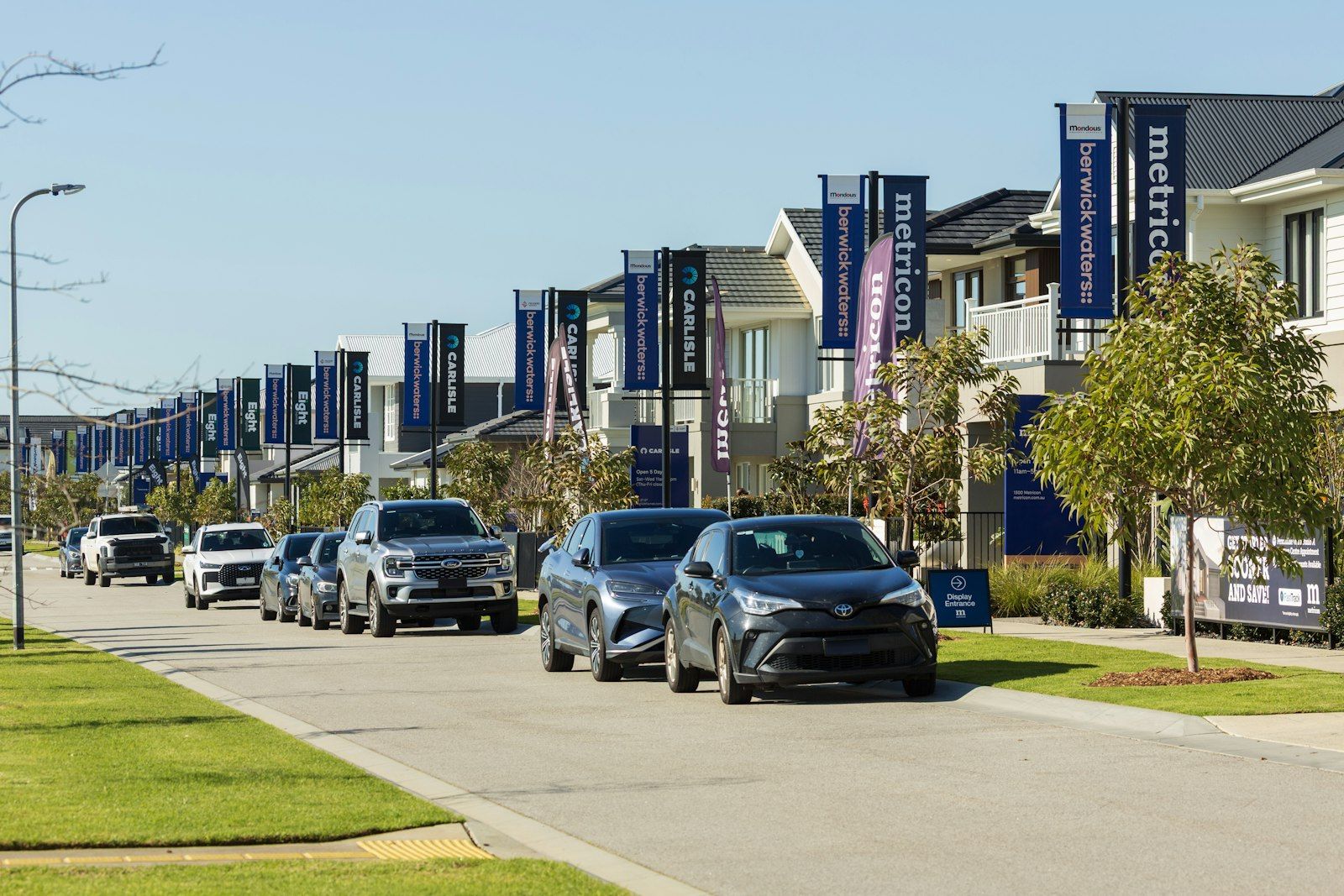
Build-to-rent (often shortened to BTR) refers to residential communities constructed specifically to be leased. A typical project might include 80 to 250 homes on a single site, managed by one operator, with shared amenities such as a pool, dog park, walking trails or a small clubhouse. Residents get the privacy of a detached home or a townhouse with no shared walls above or below. The owner gets a concentrated, uniform portfolio that behaves more like multifamily than like a collection of scattered houses.
The product comes in a few common formats:
- Detached single-family communities: standard three- and four-bedroom homes with private yards, often in suburban growth corridors.
- Horizontal apartments: one- and two-bedroom cottages or duplexes arranged like a garden apartment complex, usually with smaller footprints and no garages.
- Townhome rentals: attached units that offer more density, lower land cost per door and a middle price point between apartments and detached homes.
What unites them is intent. Floor plans, finishes and site layouts are chosen for durability and leasing appeal rather than for buyer resale value, and the business plan assumes a long hold or a bulk sale to another rental operator.
Why the model gained traction
Several long-running forces pushed developers and capital toward this niche. Household formation among millennials, the largest adult generation, has moved into the years when people traditionally want more space, a yard and a decent school district. At the same time, affordability for first-time buyers has been strained for much of the past decade by rising home prices, and down payments remain a significant hurdle for many families. Renting a house becomes the practical middle ground.
Remote and hybrid work added another push. Workers who no longer commute daily are often willing to live farther out, where land is cheaper and where a dedicated home office is affordable. Sun Belt metros, with relatively permissive zoning and abundant developable land, have historically captured a large share of BTR construction for exactly these reasons.
Build-to-rent is not a bet that people have stopped wanting houses. It is a bet that many of them want the house without the mortgage.
The operating economics
The core advantage of BTR over a scattered single-family portfolio is density. When every home sits within a few blocks, one maintenance technician can handle dozens of work orders in a day, a single leasing office can show multiple units in an hour and landscaping can be contracted at scale. New construction also means roofs, HVAC systems and appliances start their useful lives at zero, which typically keeps capital expenditures low in the early years.
Consider an illustrative 150-home community with an average rent of $2,300 per month. Here is how a simplified first stabilized year might look:
| Line item | Illustrative annual figure |
|---|
| Gross potential rent (150 homes x $2,300 x 12) | $4,140,000 |
| Vacancy and credit loss (5%) | ($207,000) |
| Other income (pet fees, amenity fees) | $90,000 |
| Effective gross income | $4,023,000 |
| Operating expenses (taxes, insurance, management, repairs, roughly 38%) | ($1,529,000) |
| Net operating income | $2,494,000 |
If the total development cost were $45 million, the project would generate a yield on cost of about 5.5%. The development thesis depends on that figure exceeding the cap rate at which a stabilized community could be sold. If comparable stabilized assets trade at a 5.0% cap rate, the same NOI would imply a value near $50 million, creating roughly $5 million of value above cost. If cap rates widen to 5.75%, that cushion disappears. This spread between yield on cost and exit cap rate is the single most important number in any BTR pitch.
5.5%illustrative yield on cost
38%sample expense ratio
150homes in example community
The risks that matter most
BTR is a development play first and a rental play second, and development carries its own hazards. The ones investors should press on are fairly consistent across projects.
- Construction cost and timing: labor shortages, material price swings and permitting delays can push budgets up and delay rent collection. Ask what contingency is built in and who absorbs overruns.
- Lease-up pace: a community that leases 15 homes a month stabilizes far faster than one leasing six. Slow absorption extends the period of carrying construction debt with partial income.
- Local supply: because BTR sites cluster in the same growth corridors, several competing communities can deliver at once. Concessions such as a free month of rent often follow.
- Property taxes and insurance: in many Sun Belt states these two lines have risen sharply over the past several years and can erode NOI faster than rent growth offsets it.
- Interest rates: floating-rate construction loans and refinancing assumptions are sensitive to rate moves, and exit cap rates tend to drift upward when borrowing costs rise.
- Local politics: some municipalities have pushed back on large rental subdivisions through zoning changes or restrictions, which can affect both approvals and future resale.
How individual investors can participate
Few individuals have the capital or development expertise to build a 150-home community. Most exposure comes through one of three routes. Private syndications pool money from accredited investors to fund a specific project, usually with a sponsor co-investing alongside limited partners. Private real estate funds spread capital across several communities, trading concentration for diversification. Publicly traded REITs that own single-family rental portfolios offer daily liquidity, though their holdings typically blend BTR with homes acquired one at a time.
A smaller fourth path exists: buying a handful of new homes inside a builder's community and renting them yourself. This can work, but it gives up the operating efficiencies that make BTR attractive in the first place, and some homeowner associations restrict rentals. Read the governing documents before you commit.
Investor tip
When evaluating a BTR syndication, ask the sponsor for the projected yield on cost, the assumed exit cap rate and the lease-up schedule, then ask what returns look like if lease-up runs 50% slower and the exit cap rate is 75 basis points higher. A sponsor who has already run that stress test is usually one worth listening to.
International investors should note that ownership structure has tax consequences. Holding US real estate through a partnership, LLC or REIT affects withholding, filing obligations and estate exposure differently, and rules such as FIRPTA can apply on disposition. A cross-border CPA or attorney should review the structure before you invest.
The bottom line
Build-to-rent has matured from an experiment into a recognizable segment of the housing market, driven by durable demand for space and the persistent difficulty of buying a first home. Its operating model is genuinely efficient, but the returns are made or lost during development and lease-up. Investors who focus on the sponsor's track record, the spread between yield on cost and exit cap rate, and the amount of competing supply nearby will be far better positioned than those who simply buy the story.

 Investing Strategy